
DESTINATIONS
The places that make the journey
Northern Tanzania is not one landscape but a dozen, stitched together by long roads and short flights. Here is where we travel: the famous names and the quiet ones we love just as much.
SOCKET 01
Arusha Region (Safari Gateway)
Arusha National Park
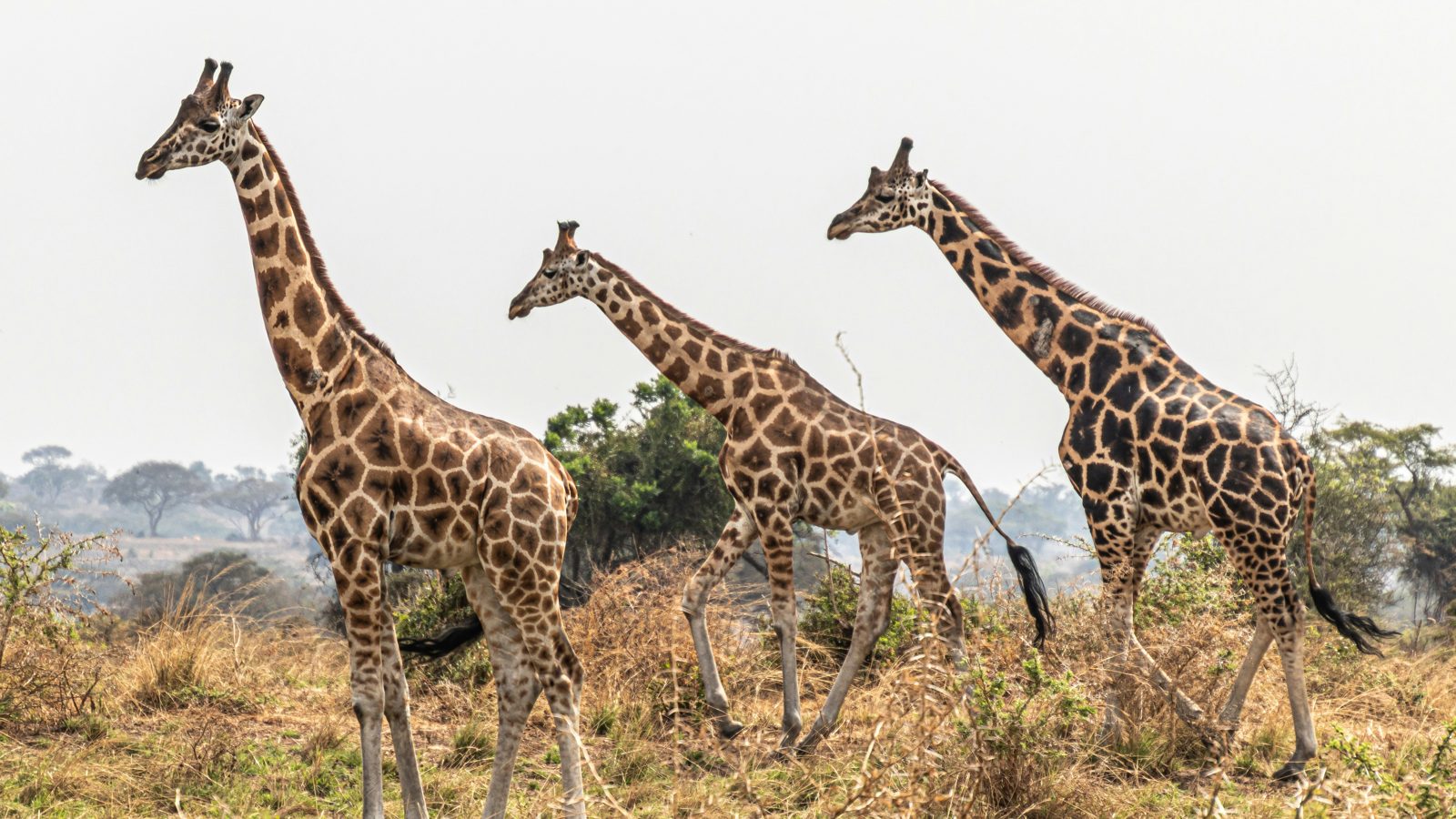
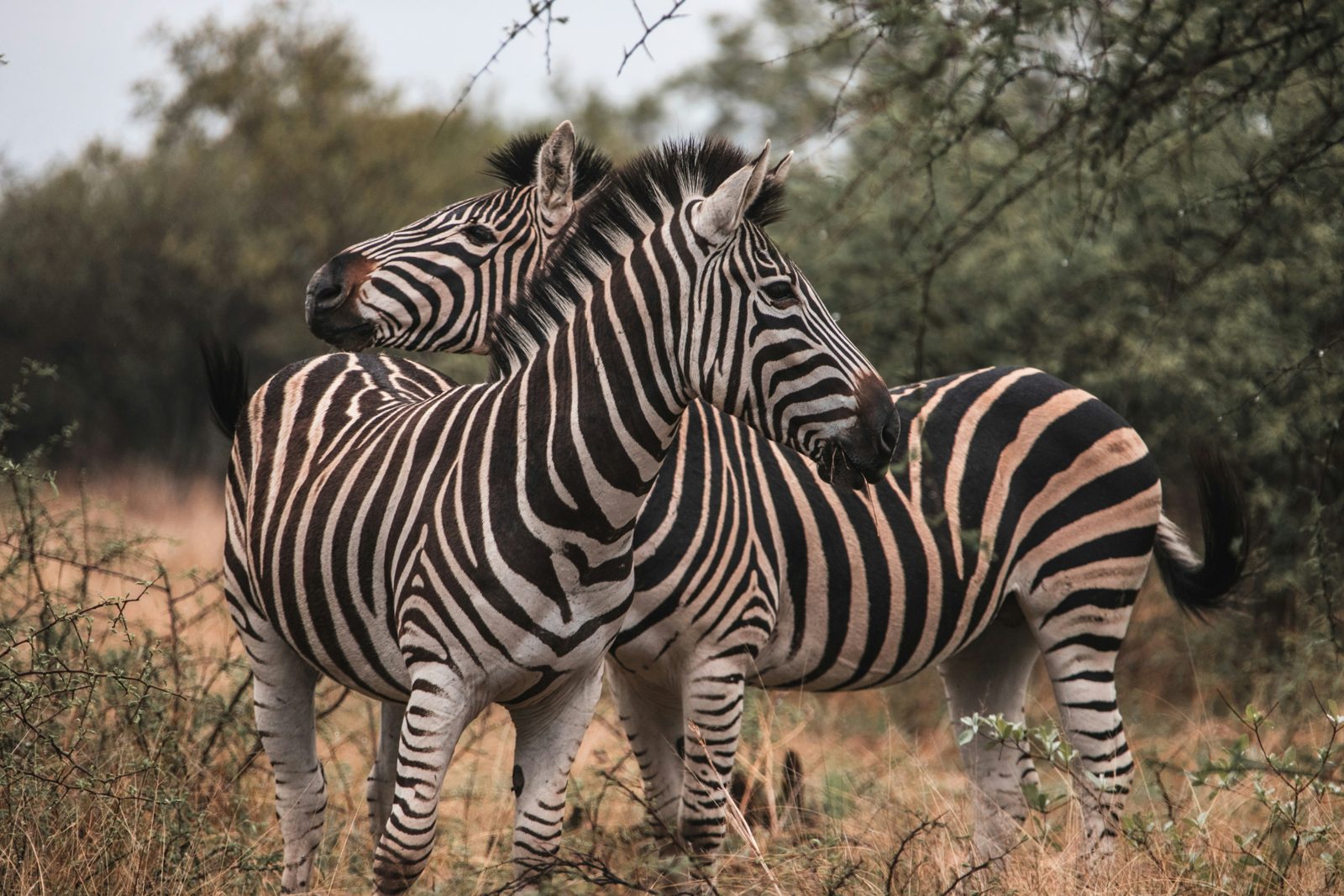
On the slopes of Mount Meru, this compact park is often skipped by tourists heading straight to Serengeti - yet it packs in flamingo-covered crater lakes, black-and-white colobus monkeys, giraffe, zebra, and buffalo, all within a short drive of the airport.
 HIDDEN GEM
Momella Lakes
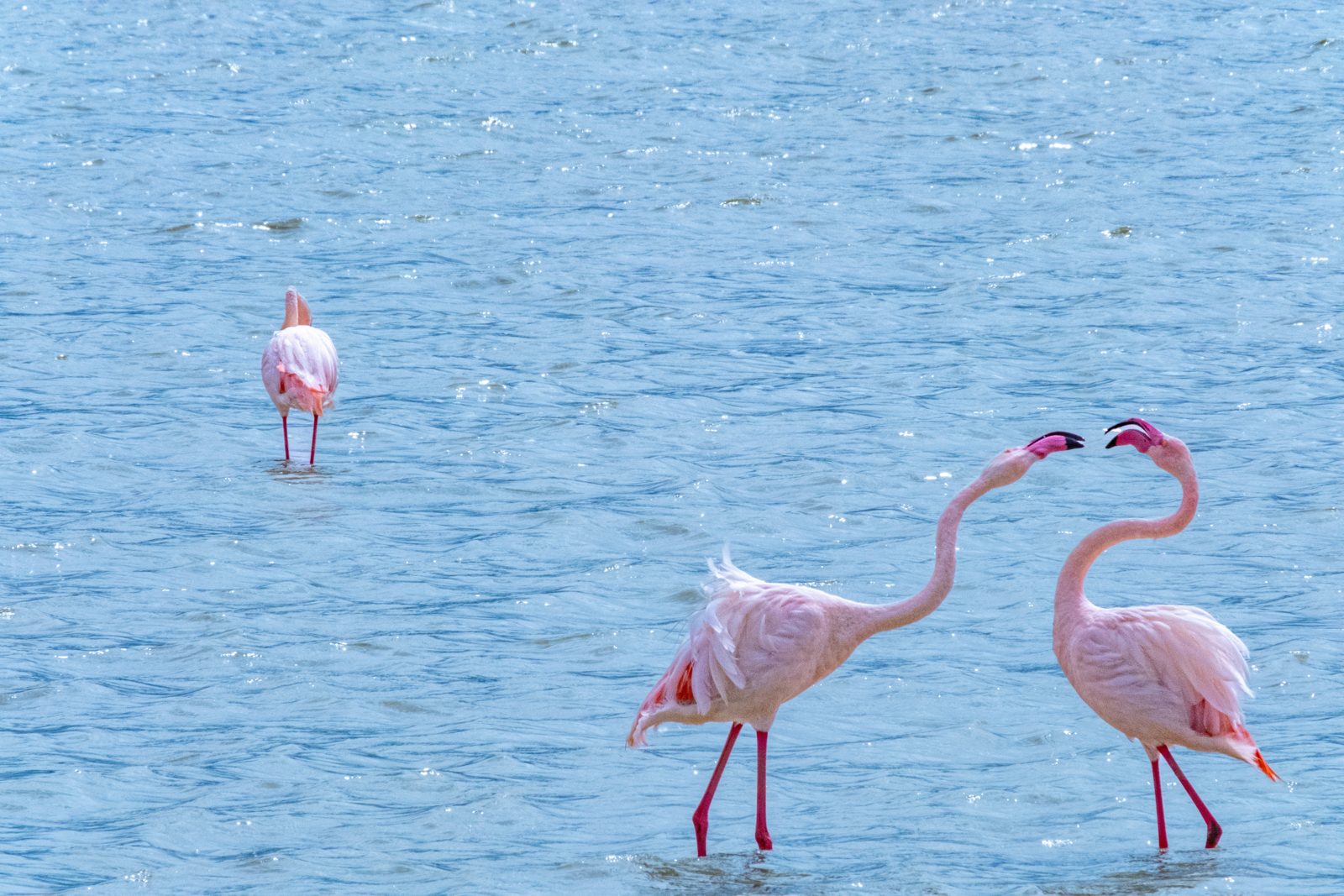
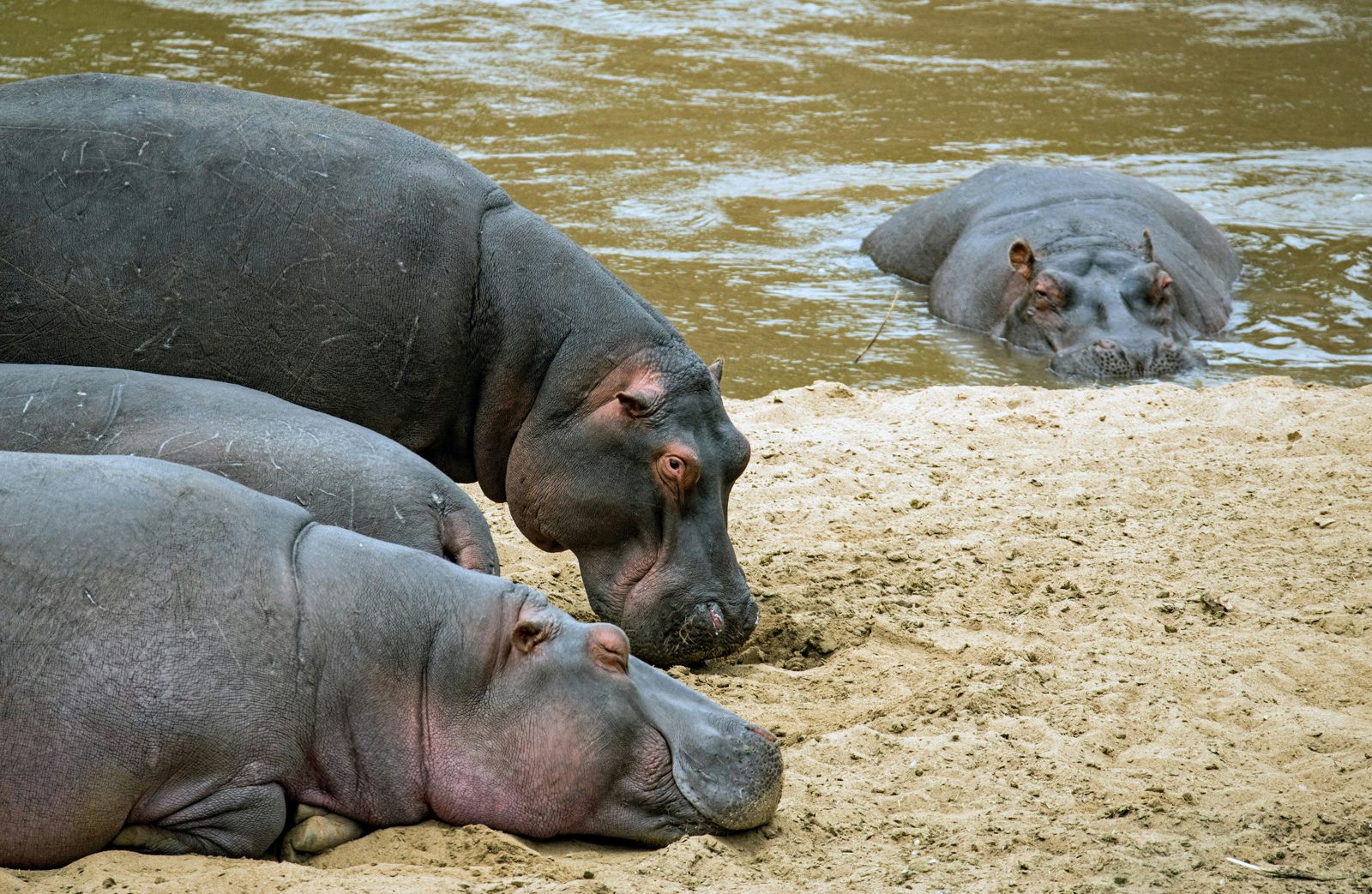
A chain of shallow alkaline lakes inside Arusha National Park, a short drive from Arusha town and framed by views of both Kilimanjaro and Meru. A canoe safari here glides past hippos, buffalo, and flamingos, one of the few places in Tanzania you can safely paddle among wildlife. It makes an easy, gentle day before or after a longer safari.
 HIDDEN GEM
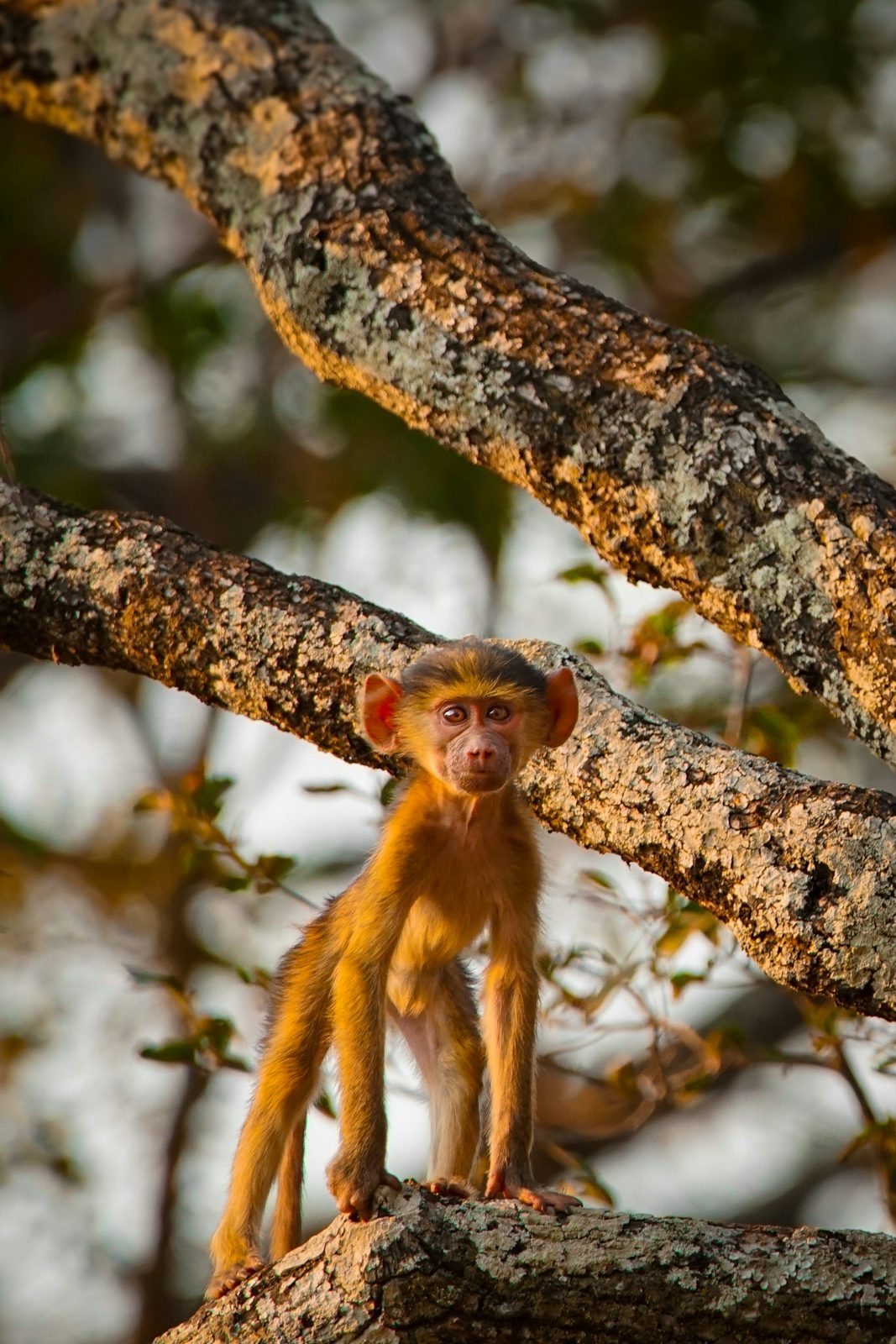
Lake Duluti
A small crater lake 25 km from Arusha town, ringed by dense forest. A quiet 1-hour canoe trip here turns up monitor lizards, monkeys, and birdlife (giant kingfisher, fish eagle, darters). It is a relaxing half-day for guests with time before or after their safari.
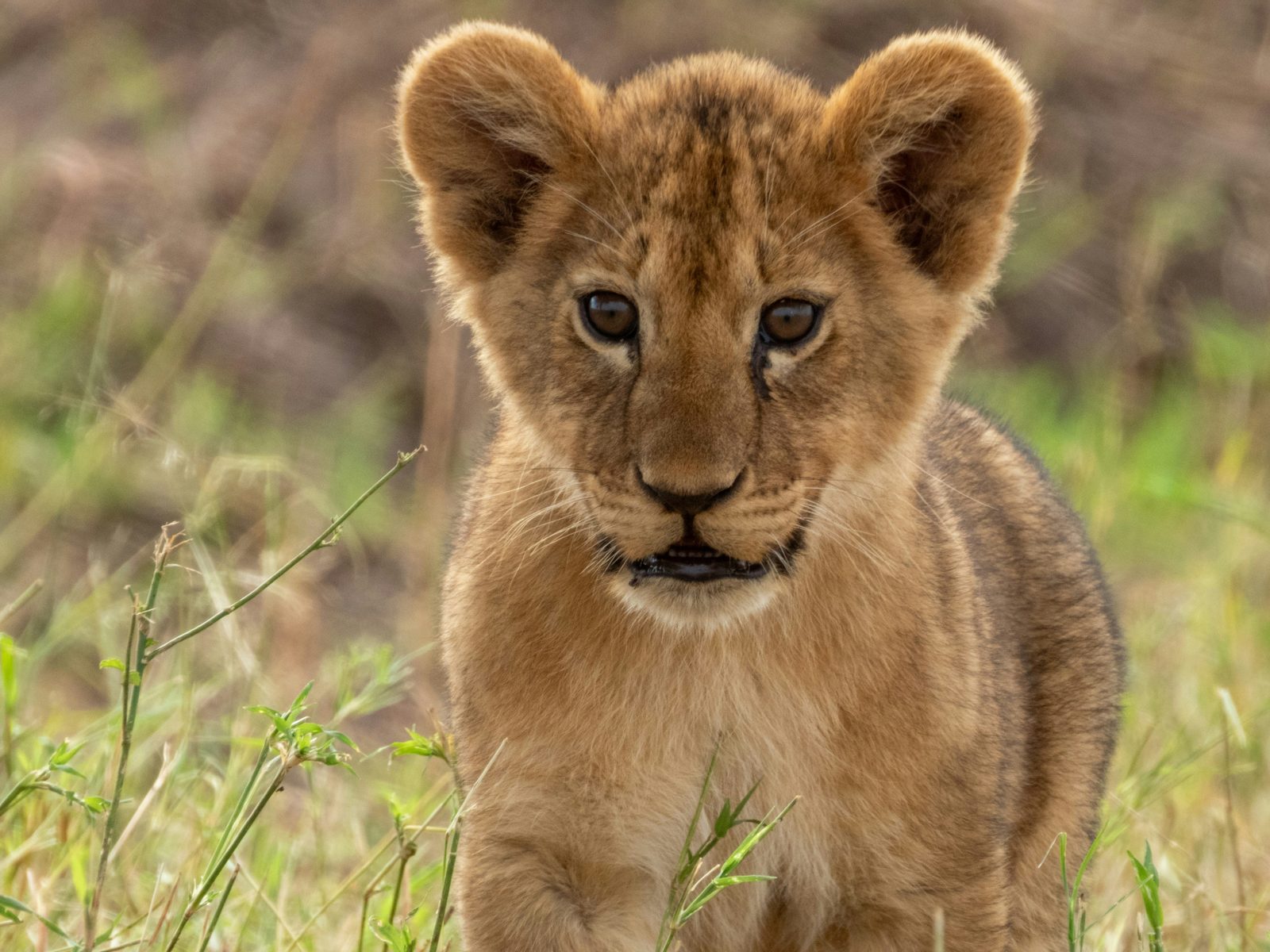
Serval Wildlife Sanctuary
A natural wildlife sanctuary where trained animals interact closely with visitors. It is a good soft-adventure stop for families, or for guests wanting close-up animal encounters without a full game drive. Visits fit easily around arrival or departure days in the Arusha area, alongside a longer safari.
 HIDDEN GEM
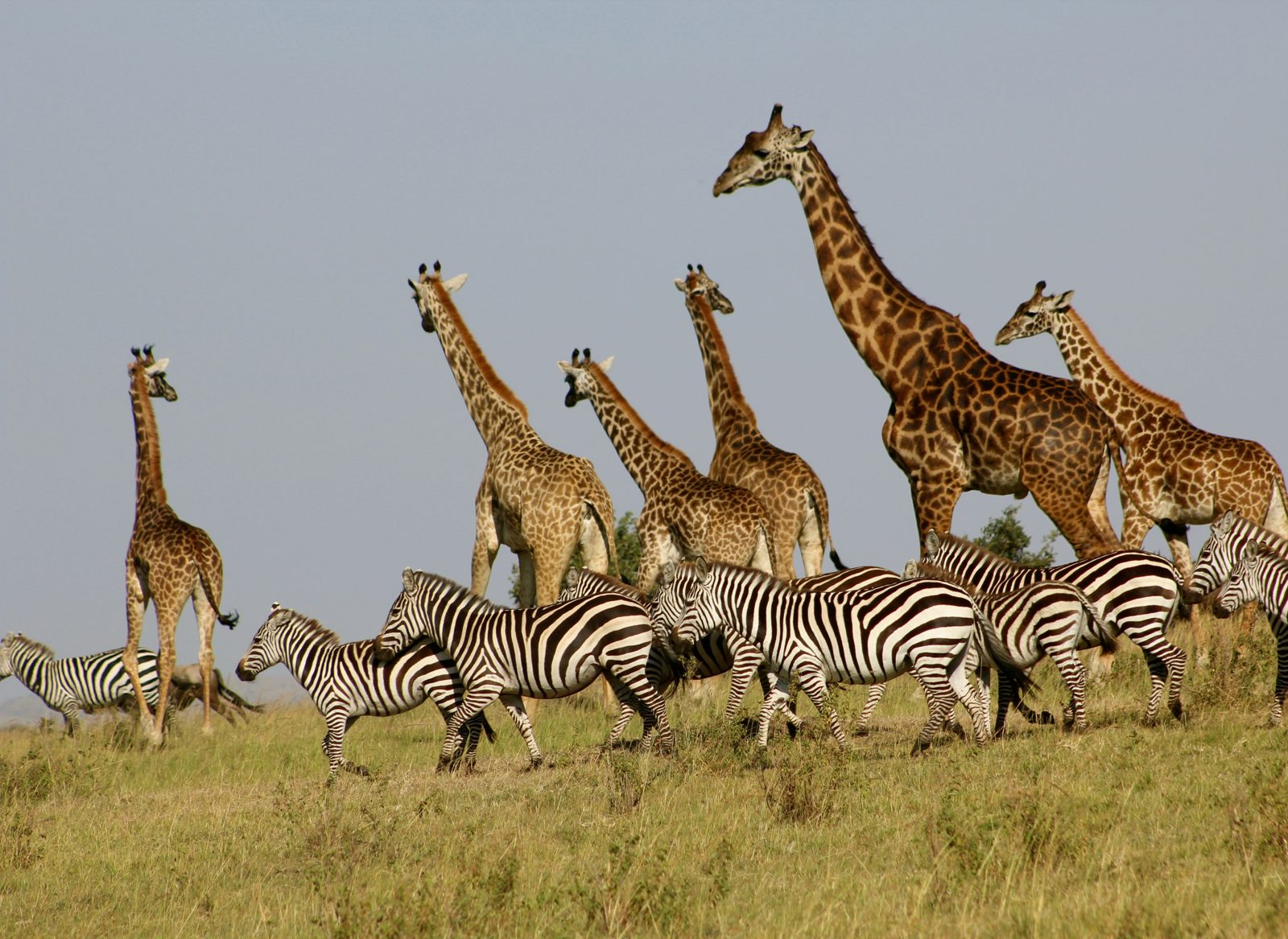
Kili Golf Kaskaz (Dolly Wildlife Estate)
A fenced wildlife estate at the foot of Mount Meru, within easy reach of Arusha. Guests can ride horseback among eland, zebra, wildebeest, kudu, and giraffe, with Kilimanjaro visible on clear days. It suits a relaxed half-day outside the vehicle, before or after a game-drive circuit.
 HIDDEN GEM
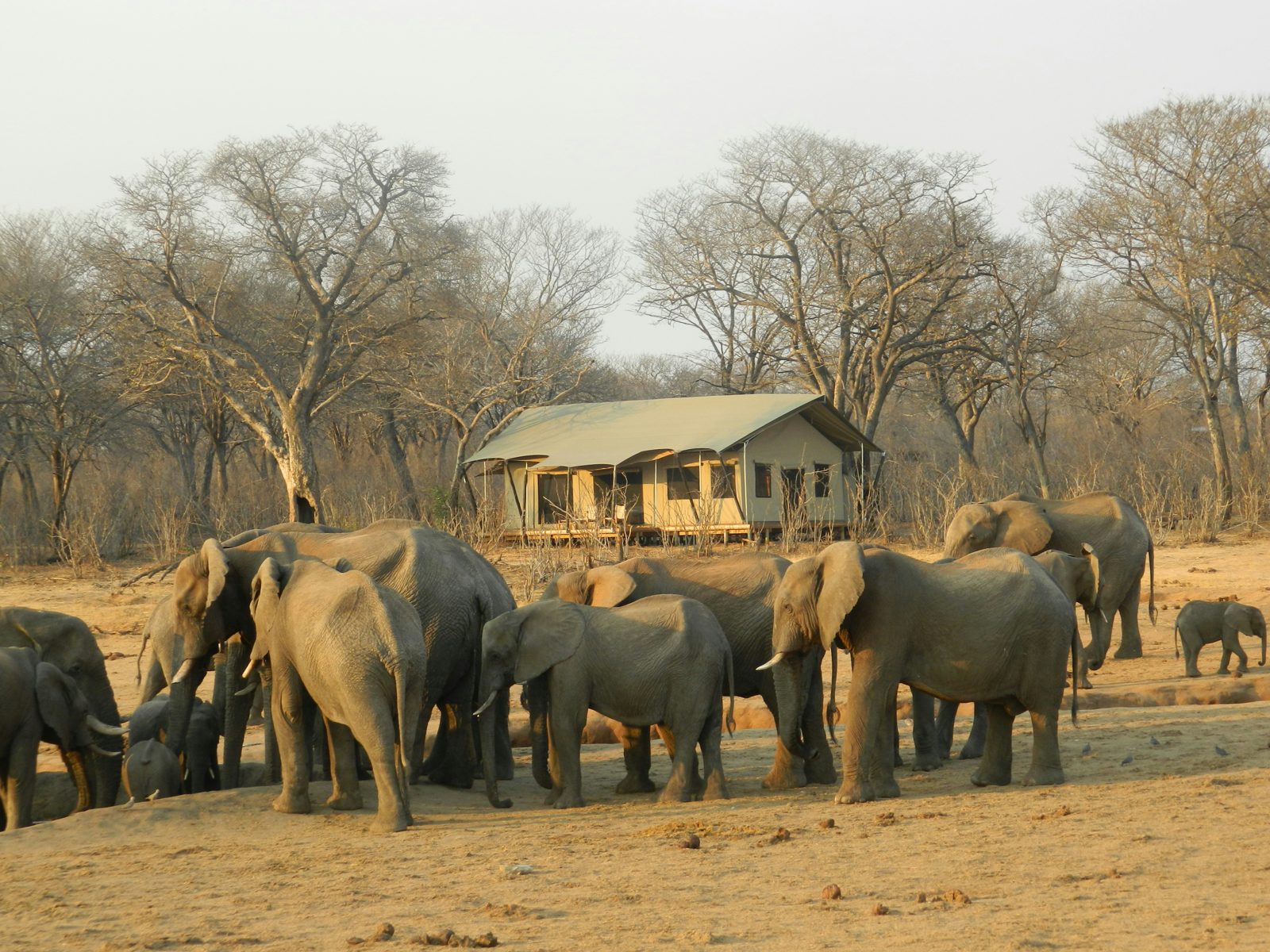
Chemka (Kikuletwa) Hot Springs
Crystal-clear natural spring-fed pools shaded by fig trees near the Kilimanjaro region. Visitors come to swim and unwind in the warm, clear water, a refreshing, little-marketed stop. It is popular with guests combining a climb or safari with a day of relaxation.
SOCKET 03
Ngorongoro Conservation Area
Ngorongoro Crater
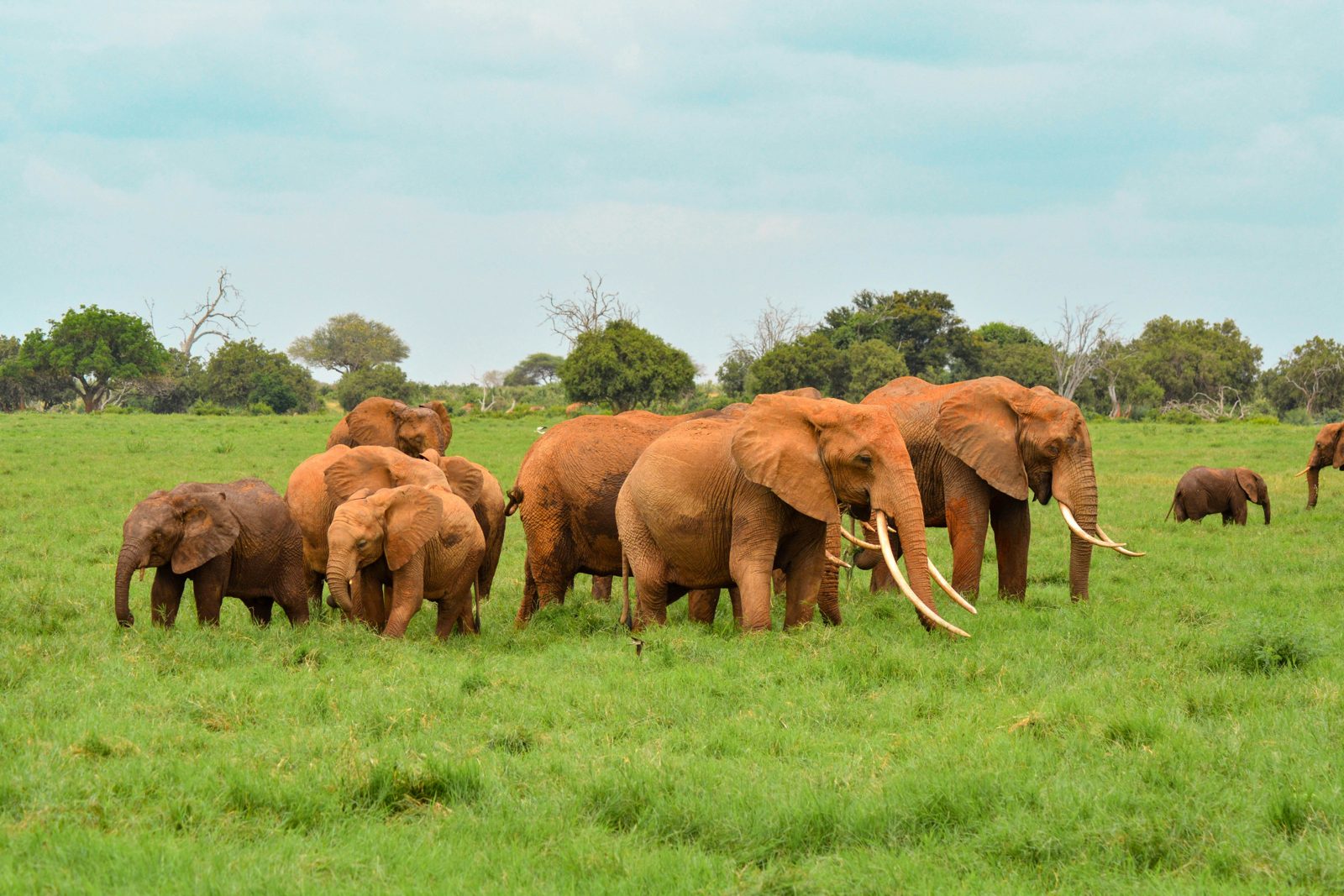
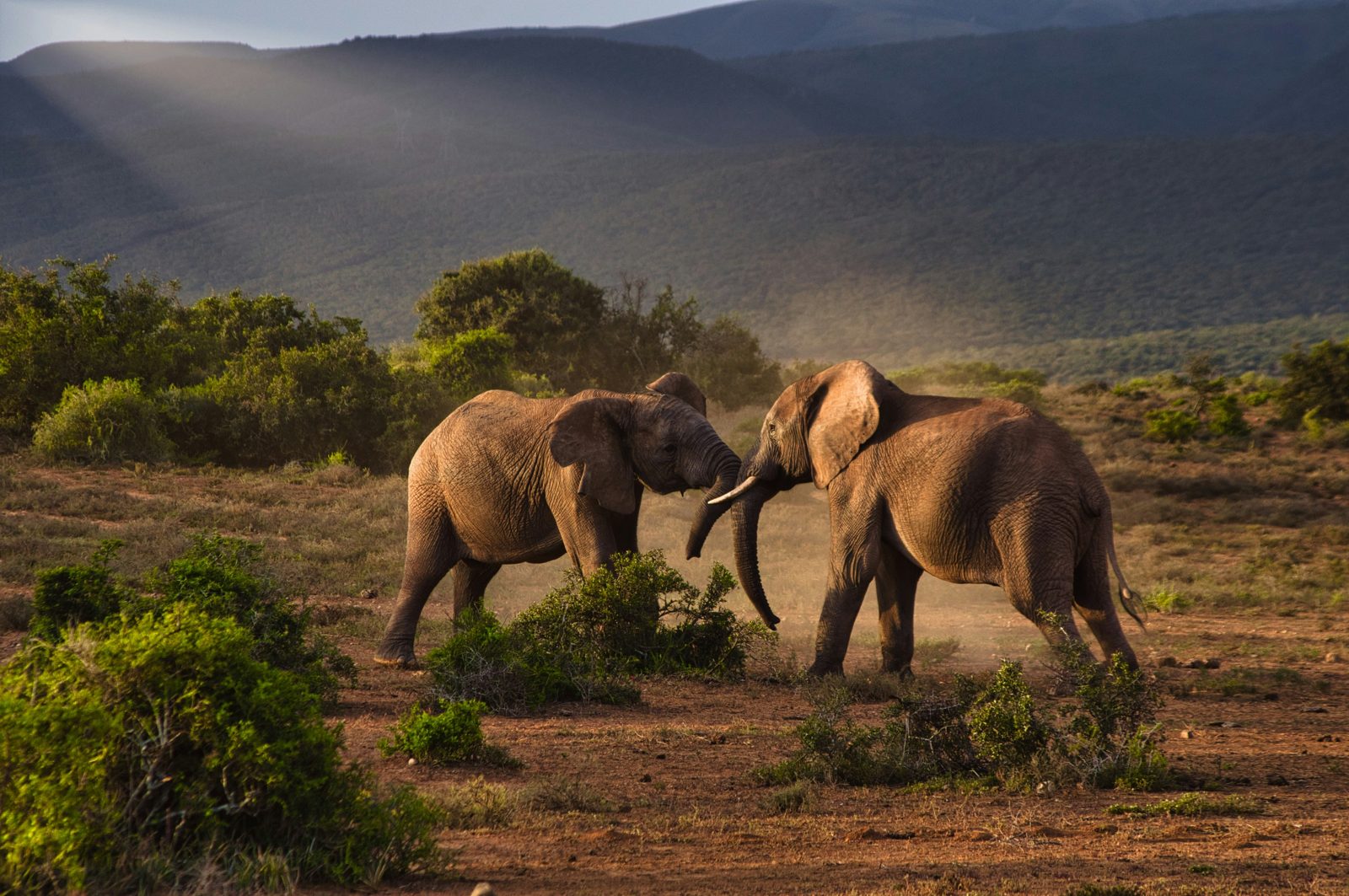
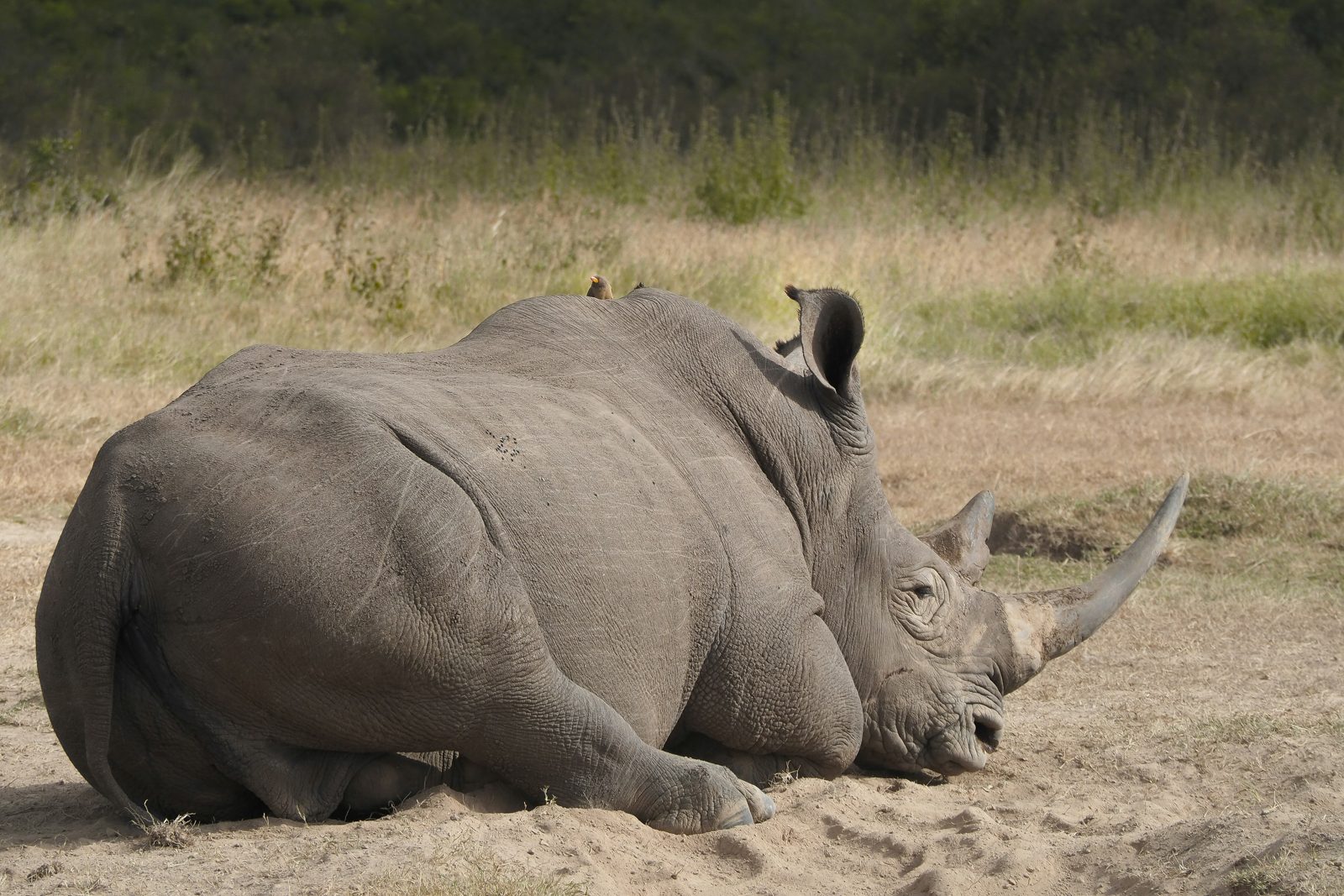
The world's largest intact volcanic caldera and a Big Five stronghold - lion, elephant, buffalo, and (with luck) black rhino, all concentrated in one bowl. The only member of the Big Five not found here is the giraffe, whose long legs can't manage the crater's steep walls.
Maasai Village Visits
Cultural stops built into most crater itineraries, where guests meet Maasai communities and can experience the traditional dance.
 HIDDEN GEM
Empakai Crater
A collapsed volcanic caldera inside the Ngorongoro Conservation Area, roughly 6 to 8 km wide with walls rising about 300 meters. A deep alkaline lake, about 85 meters at its deepest, covers close to 75% of the crater floor and is often tinged pink with flamingos. The crater is reached on foot with an armed ranger, roughly 30 to 60 minutes down through the forest and about 2 to 2.5 hours back up, and on a clear day the rim looks across to Ol Doinyo Lengai, Lake Natron, and Kilimanjaro.
 HIDDEN GEM
Olduvai Gorge
Known as the "Cradle of Mankind," this roughly 48 km ravine sits directly on the road between Ngorongoro and Serengeti, on the edge of the Ngorongoro Conservation Area. Excavated by Louis and Mary Leakey from the 1930s onward, the site has yielded hominin fossils dating back 1.8 to 2.1 million years. A small museum founded by Mary Leakey in 1970 displays fossils and stone tools, and stopping here adds world-class history to a standard transfer day at almost no extra time cost.
SOCKET 04
Serengeti National Park
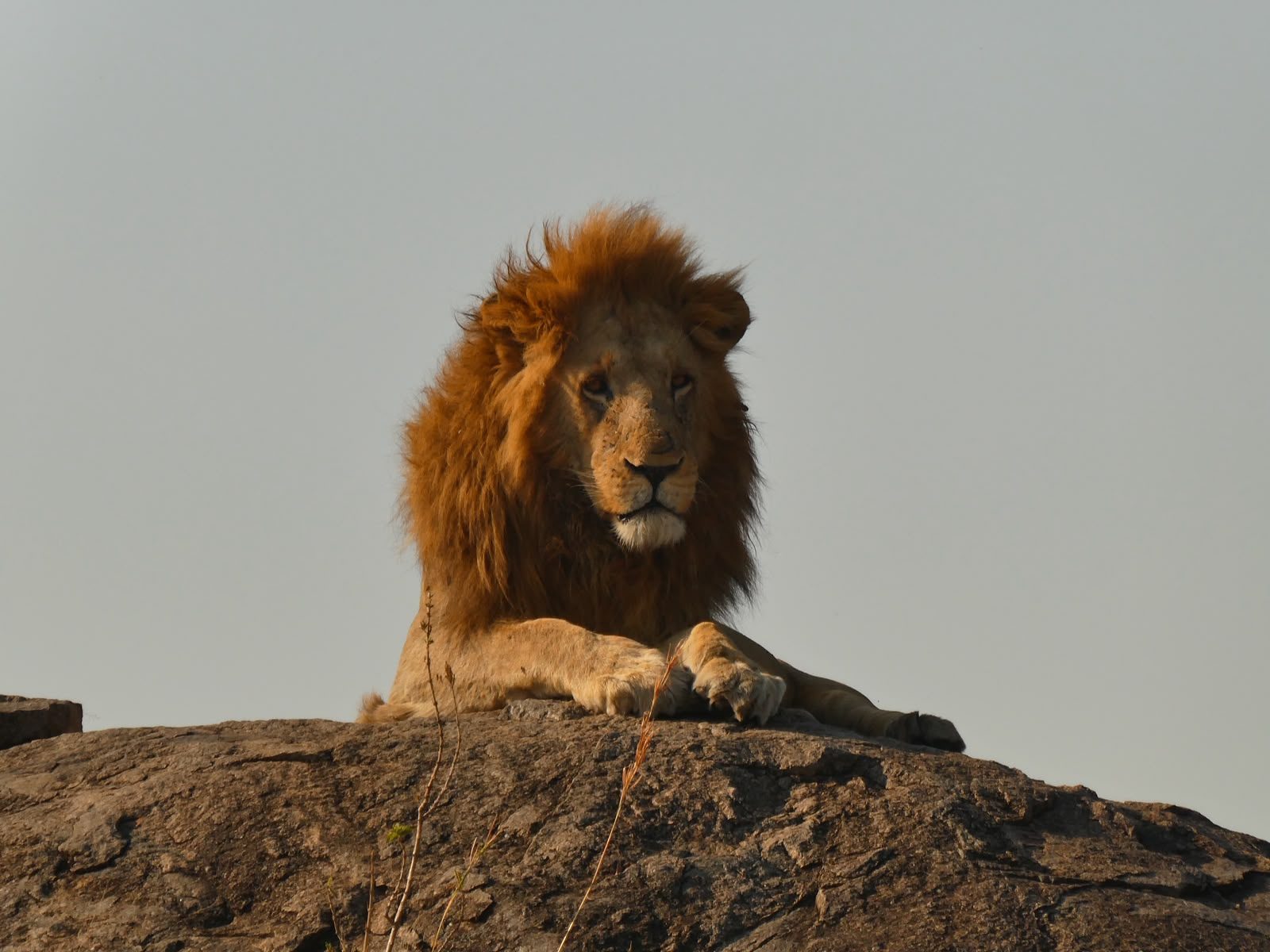
Central Serengeti (Seronera)
The classic year-round game viewing area - dependable predator sightings (lion, cheetah, leopard) alongside resident plains game.
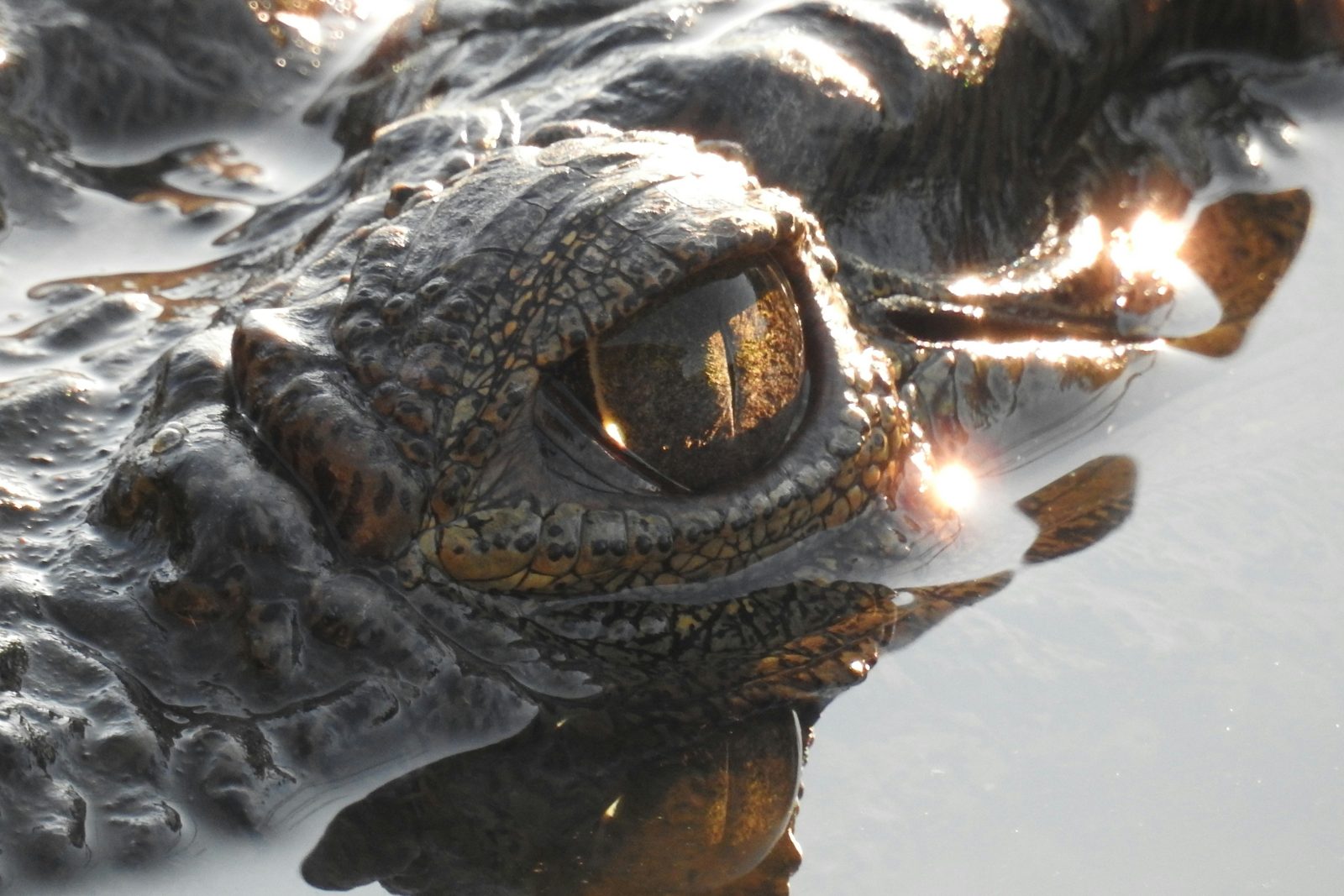
Northern Serengeti / Kogatende & Mara River
The stage for the famous river-crossing phase of the Great Migration (roughly July-October), where wildebeest and zebra brave crocodile-filled waters.
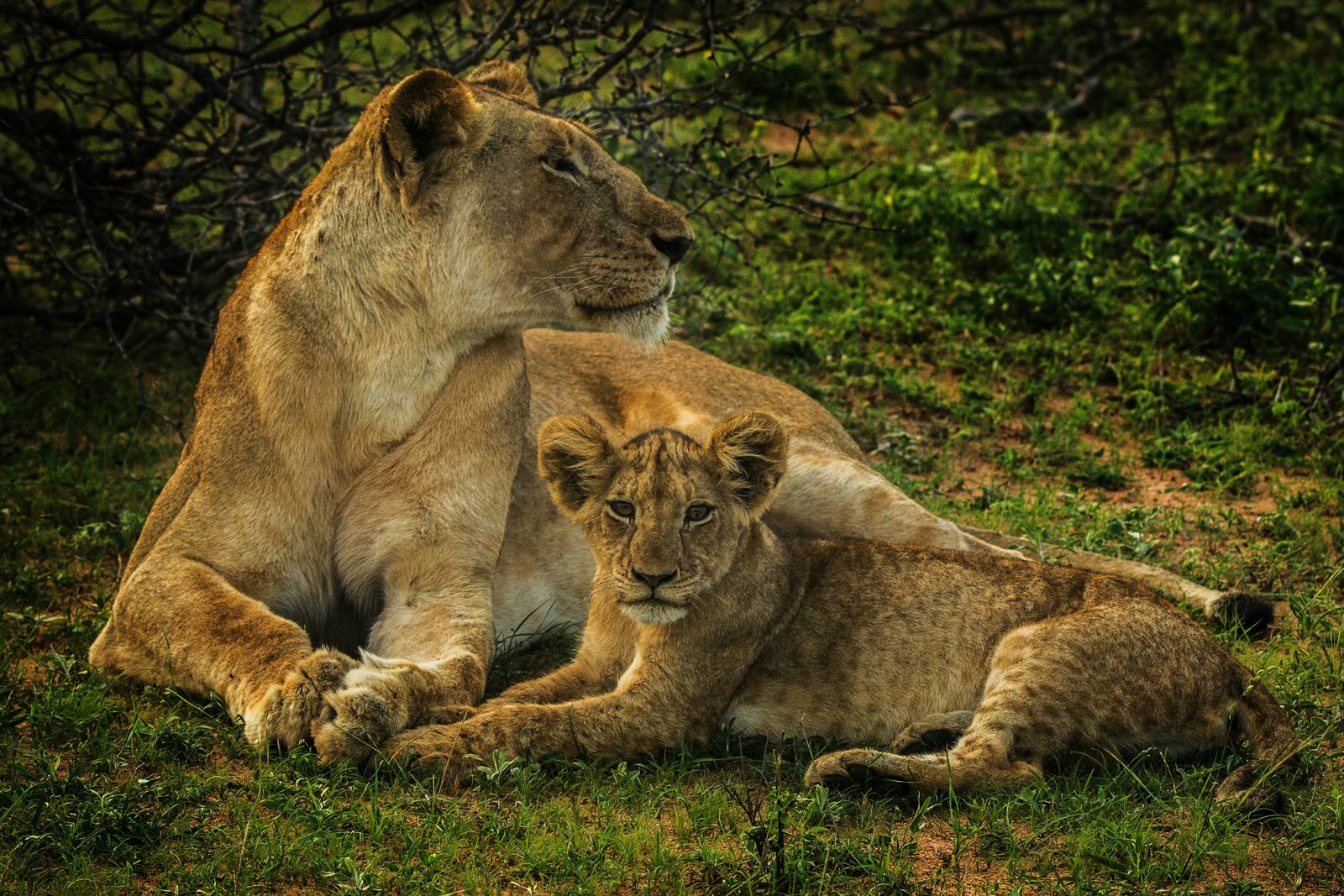
Southern Serengeti / Ndutu Plains
The calving-season grounds (roughly December-March), when huge herds gather on the short-grass plains to give birth - also prime predator-action territory as newborns draw in lions, hyenas and cheetahs.
SOCKET 05
Lake Manyara & Rift Valley Cultural Belt
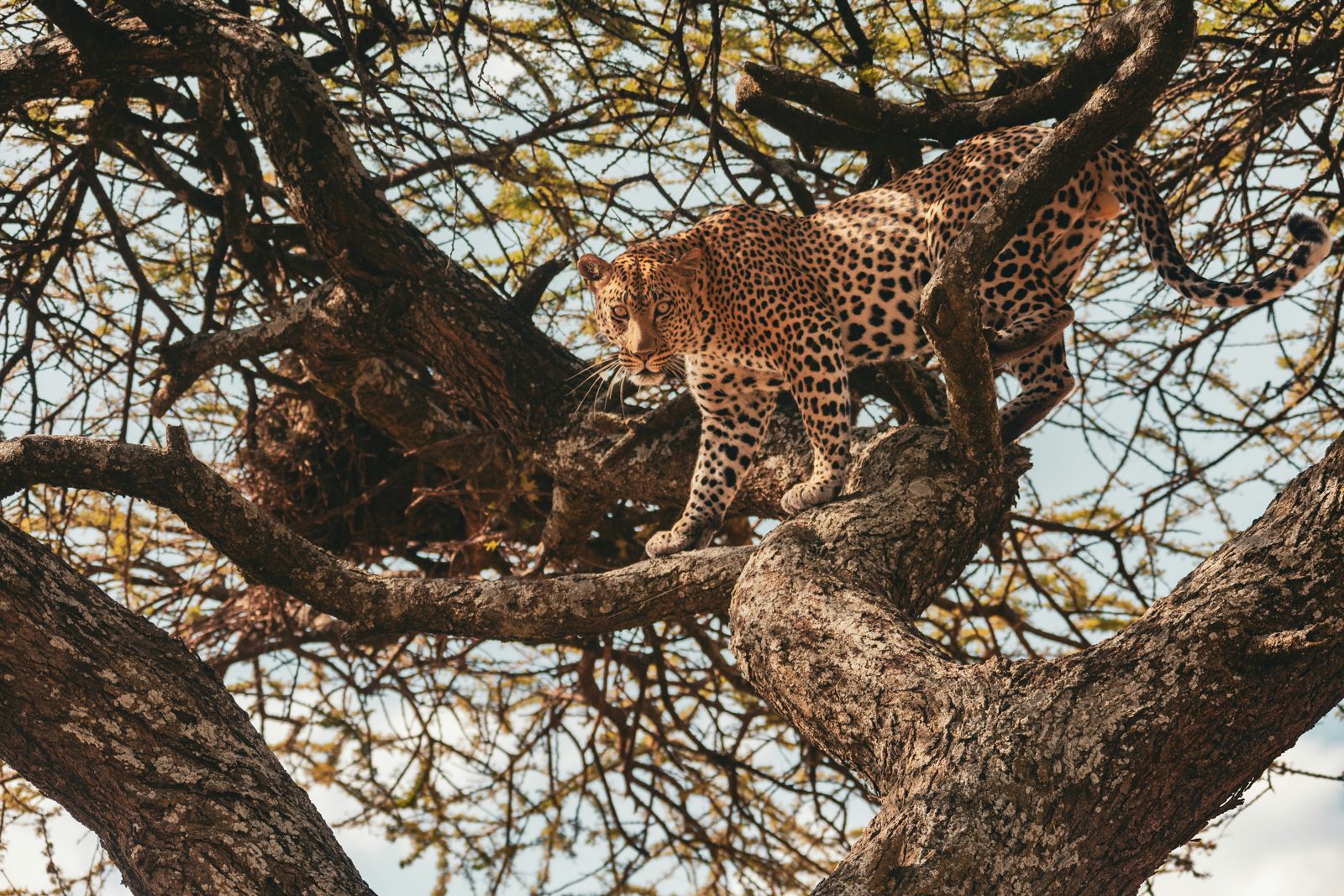
Lake Manyara National Park
Famous for tree-climbing lions and a dramatic setting beneath the Rift Valley escarpment, with large flocks of flamingo on the lake itself.
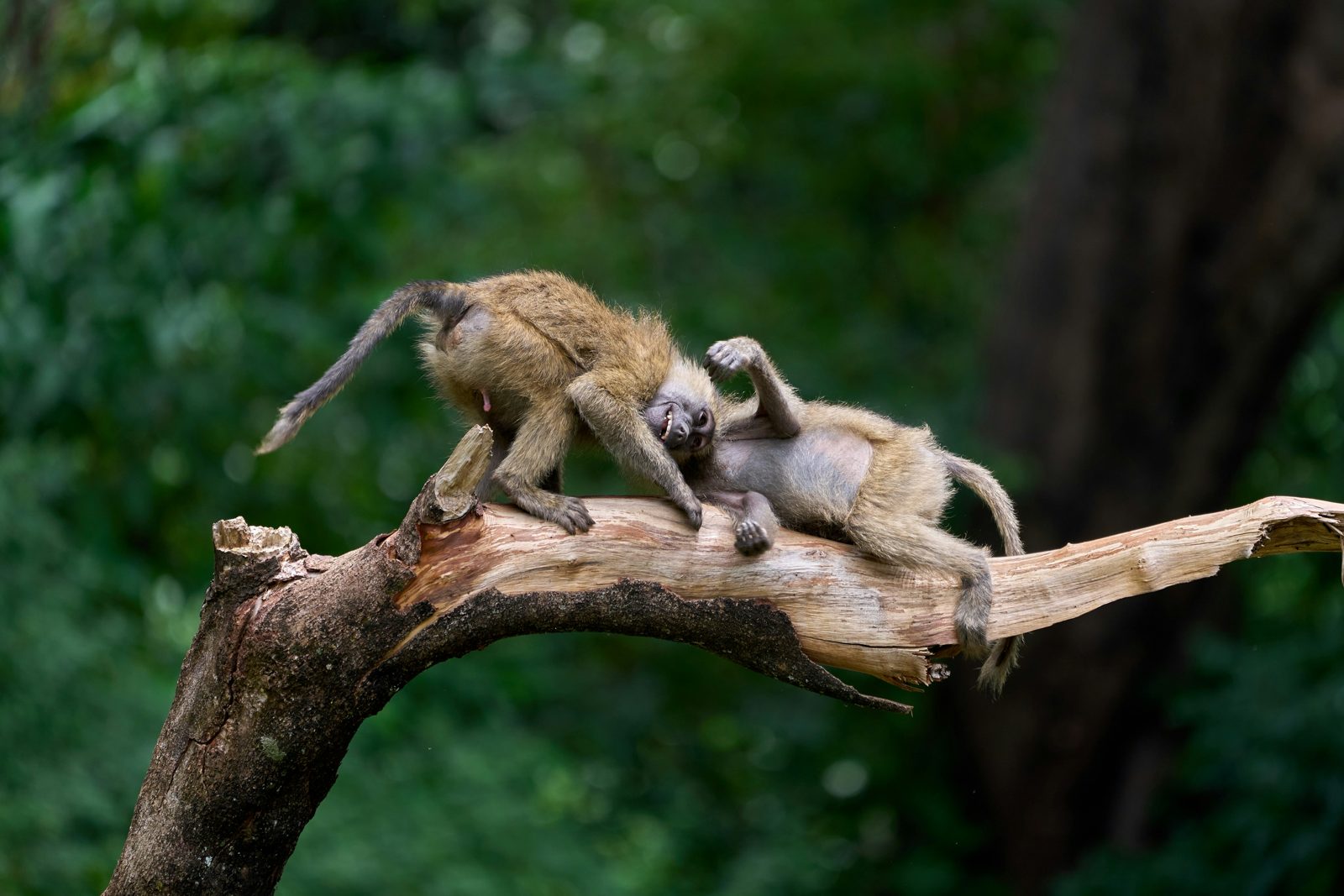 HIDDEN GEM
Tree/Canopy Walkway, Lake Manyara
Tanzania's first treetop walkway, a 370m suspended path rising 18m into the forest canopy of Lake Manyara. It offers a bird's-eye view most safari guests never see, since it requires stepping out of the vehicle. The walk fits neatly into a Lake Manyara game-drive day.
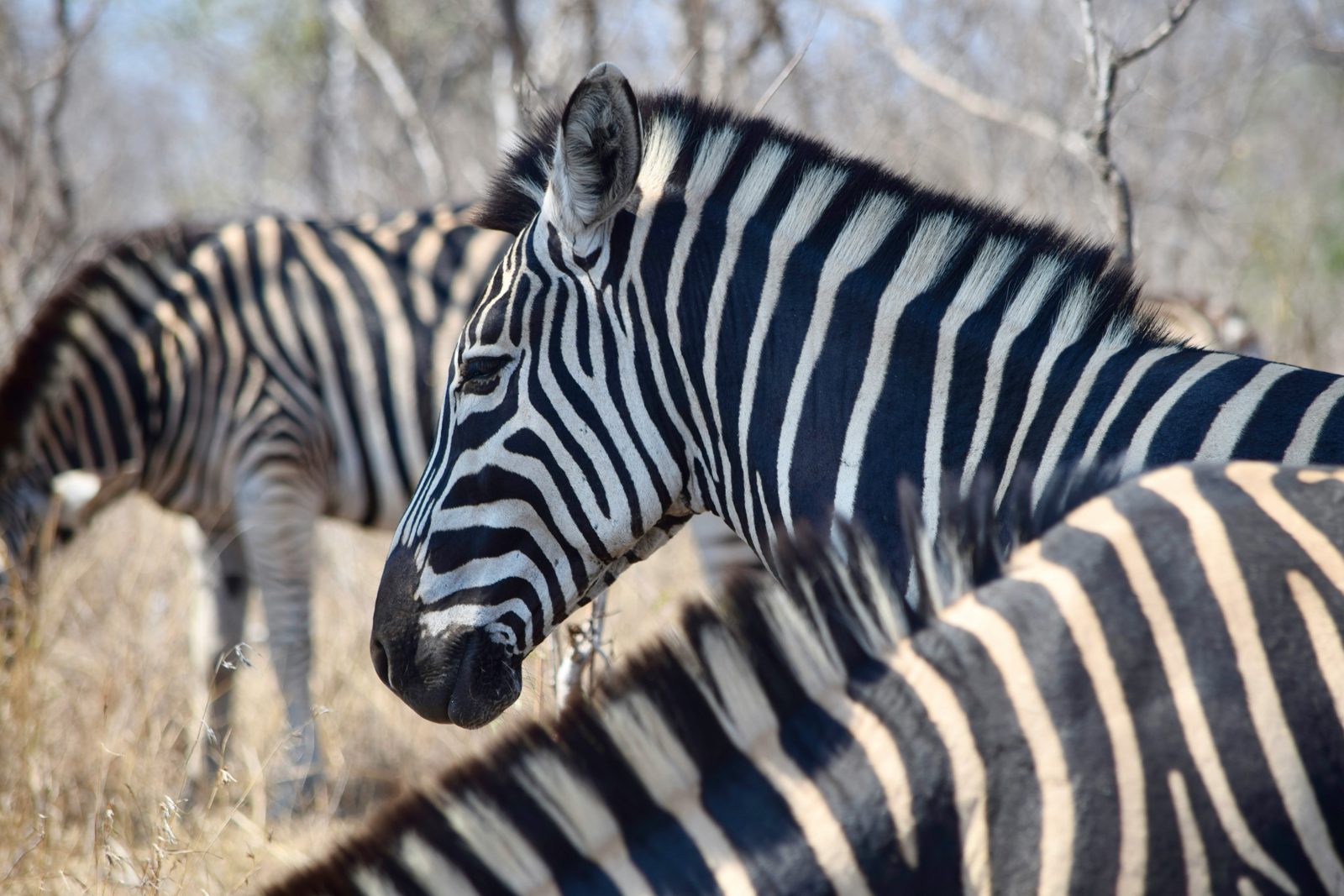
Mto wa Mbu
A multicultural village at the base of the Rift Valley escarpment, home to over 120 tribes including Maasai, Makonde, Iraqw, and Chagga communities. Visits take guests into homes, schools, and daily life, not just performances. Sitting beside Lake Manyara, it works well as a cultural stop on a Manyara day.
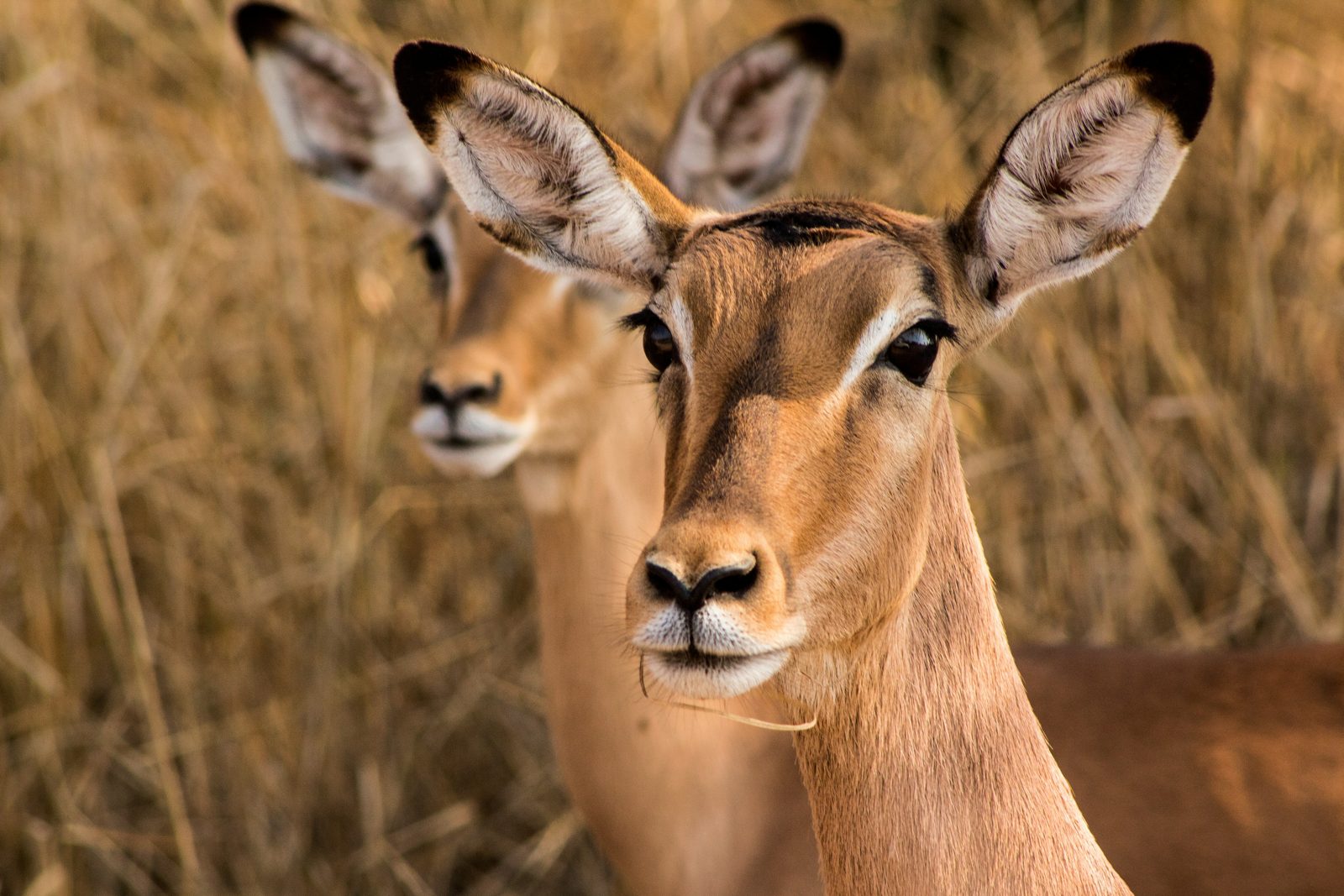 HIDDEN GEM
Cycling Safari, Lake Manyara
A guided bike-and-walk route through the Mto wa Mbu area and Lake Manyara surroundings, bringing guests closer to zebra, gazelle, hippo, and buffalo than a vehicle allows.
SOCKET 07
HIDDEN GEM REGIONLake Natron & the Northern Rift
Lake Natron
A shallow, caustic soda lake in the Gregory Rift, less than 3 meters deep yet stretching up to about 57 km long, set at the foot of Ol Doinyo Lengai, the only active carbonatite volcano on Earth and known locally as the "Mountain of God." It is one of East Africa's most important flamingo breeding sites and a designated Ramsar wetland of international importance since 2001. The landscape is stark and otherworldly, and water at the lake's edge can exceed 40°C.
Ngaresero Waterfall
A hike into a narrow gorge near Lake Natron, ending at a waterfall - a rewarding half-day activity most standard circuits skip entirely.
Ol Doinyo Lengai Trek
A demanding overnight ascent (starting around 11pm to summit for sunrise) of the only active carbonatite volcano on Earth - a serious add-on for fit, adventure-driven guests, not recommended for children under 15.
SOCKET 08
Kilimanjaro Foothills & Community Tourism
 HIDDEN GEM
Materuni Village & Waterfall
On the slopes of Kilimanjaro near Moshi, Materuni pairs a walk to the village waterfall with a Chagga coffee-making experience. Guests hike to the falls, then see how local coffee is grown and prepared. It gives a taste of the mountain without committing to a climb.
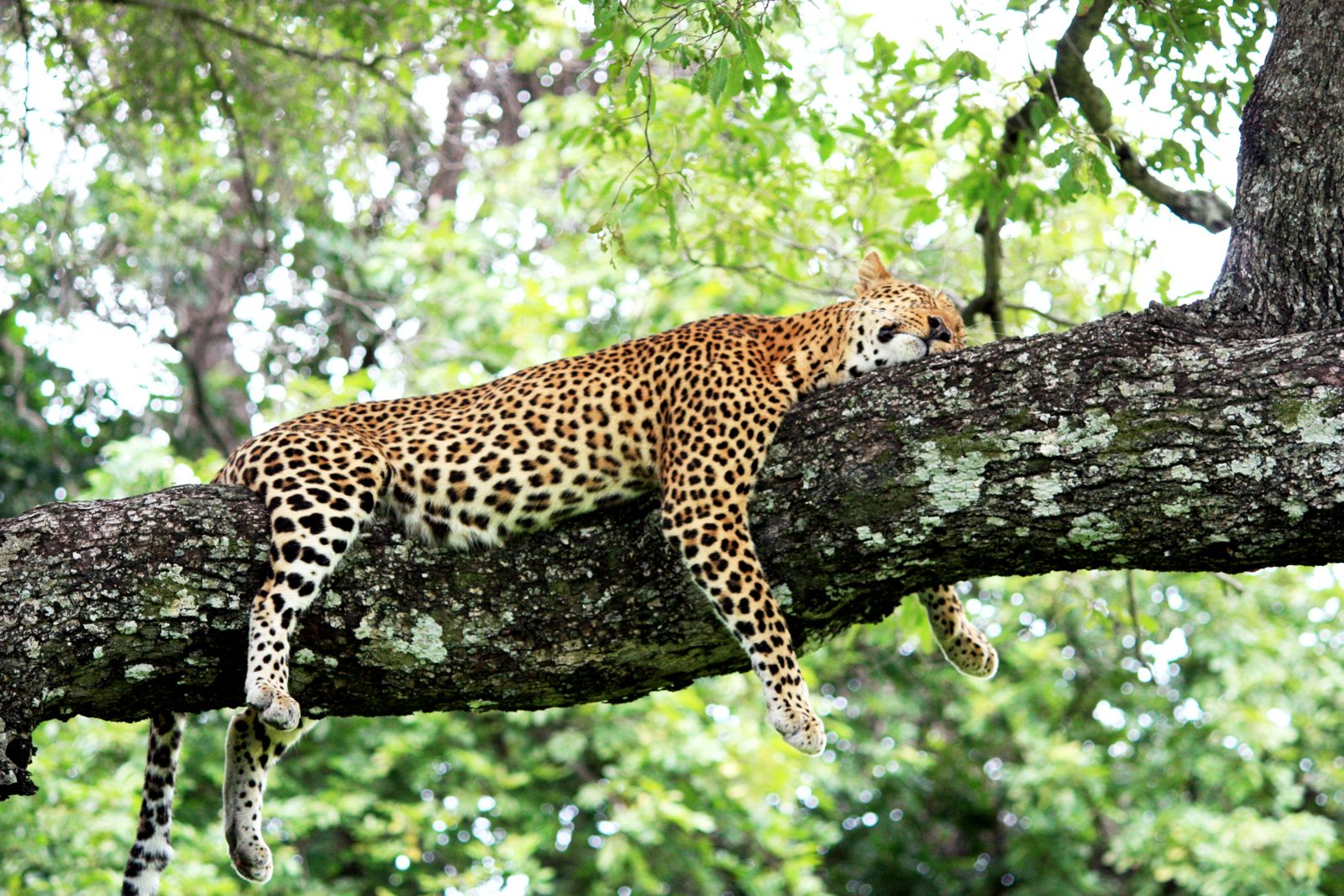
Marangu Gate & Chagga Museum
The starting point for the Marangu climbing route on Kilimanjaro's lower slopes. It also works as a standalone day or two-day walk, passing waterfalls, black-and-white colobus monkey habitat, and the historic Chagga tribal museum. A good option for guests who want a taste of the mountain without a full climb.
SOCKET 09
The Mountains
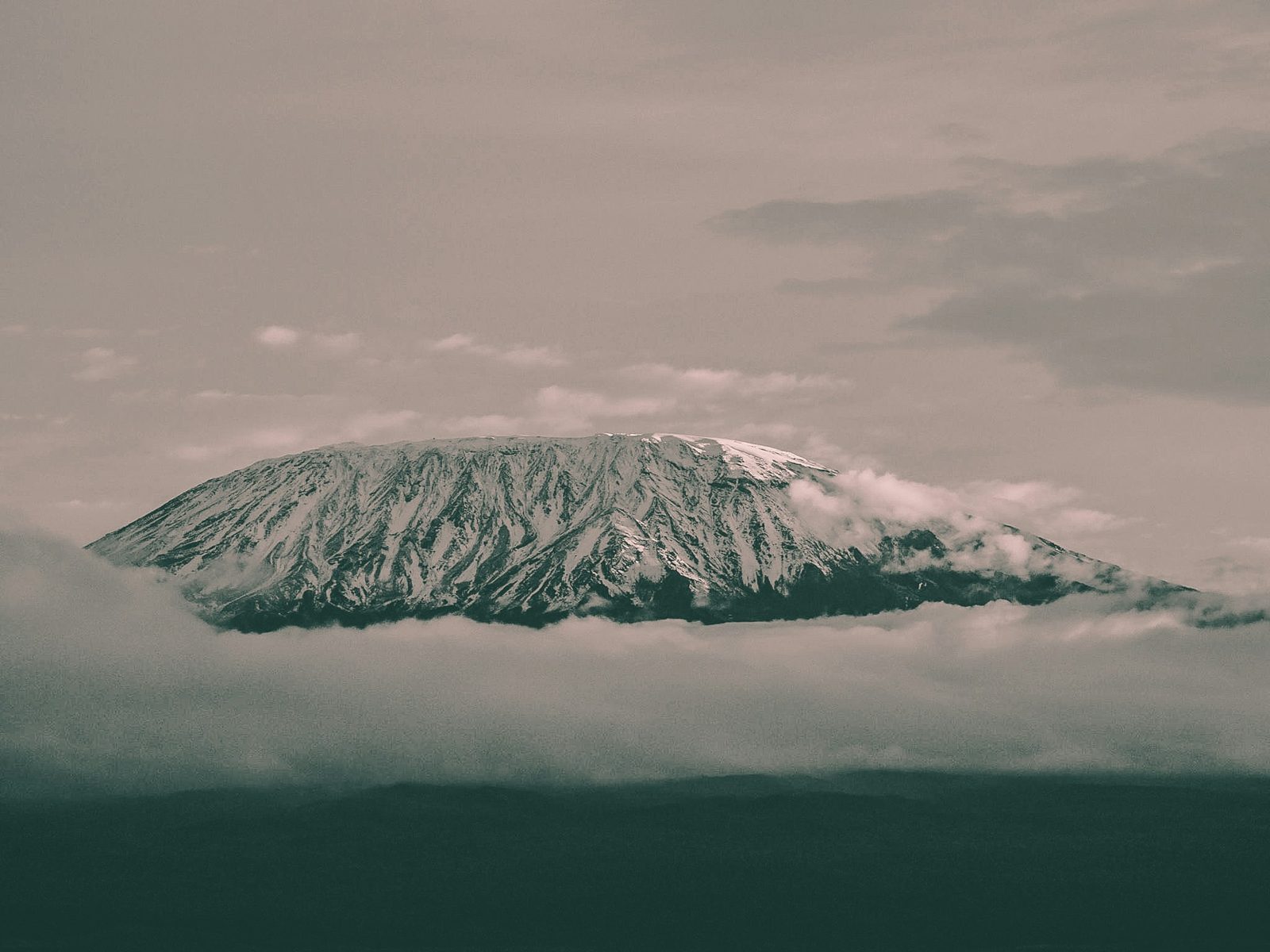
Mount Kilimanjaro
Africa's highest peak at 5,895 meters, a dormant stratovolcano and the highest free-standing mountain in the world. It can be climbed without technical gear via several routes, most commonly Marangu (6 days), Machame (7 days), or Lemosho (8 days). A UNESCO World Heritage Site since 1987, it is Africa's most iconic trek and pairs naturally with any Northern Circuit safari.
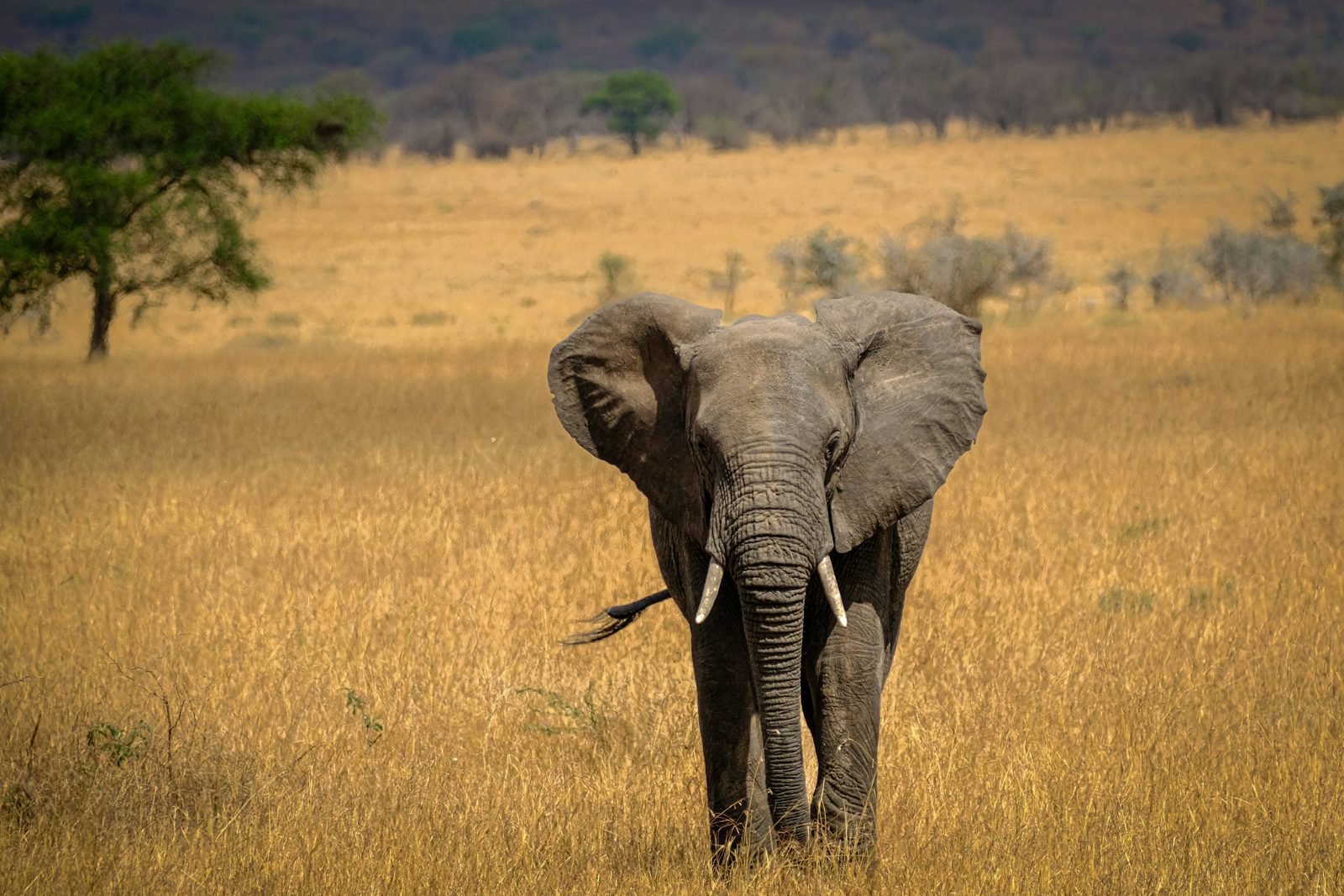
Mount Meru
Tanzania's second-highest peak at 4,562 meters, an active volcano rising inside Arusha National Park. Typically climbed in 4 days, it is a quieter, less-crowded alternative to Kilimanjaro and is often used as acclimatization practice before a Kilimanjaro attempt. The lower slopes pass through habitat with giraffe, buffalo, and colobus monkeys.